





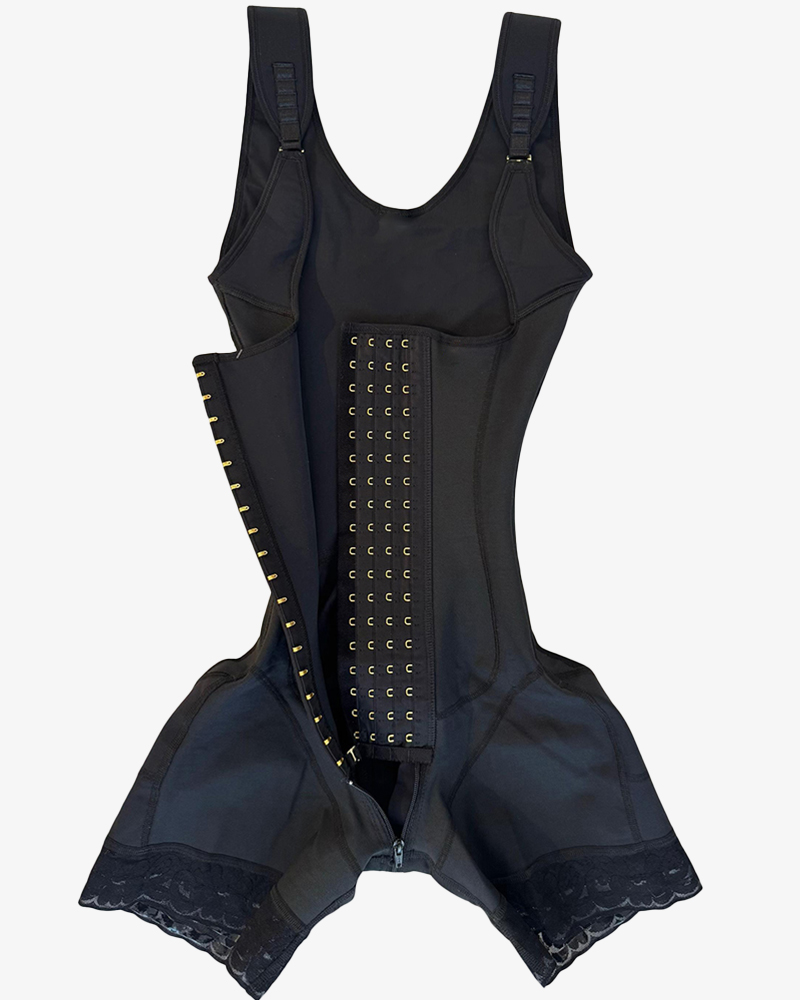
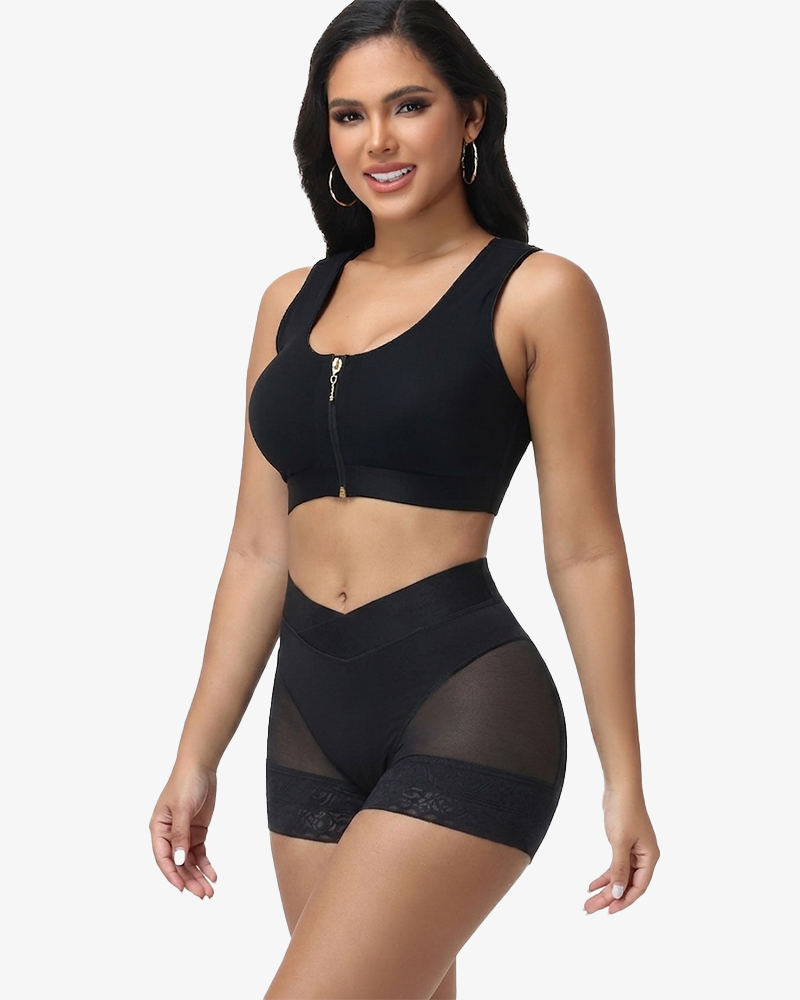



Faja Care Tips
Proper washing and drying techniques help maintain the fit, comfort, and effectiveness of fajas, which are essential for post-surgical recovery and daily support.
Key Takeaways
- Use mild detergents, cool water, and gentle handling to preserve fabric elasticity and extend garment lifespan. Stay away from heat and harsh chemicals.
- Air drying fajas flat in a shaded, well-ventilated location minimizes damage and preserves compression properties.
- If you’re not using them after surgery, wash them as often as needed.
- Adding natural sanitizers such as vinegar, baking soda, or essential oils can ensure fajas stay clean, fresh, and odor- or bacteria-free.
- Taking care of yourself in this way not only promotes skin health but it makes you more comfortable and confident and pleased with the results.
The Washing Method
Washing a faja isn’t only about maintaining freshness. It’s about cleanliness, respect for clothing and even warmth. A consistent wash routine, preferably every other day, washes away sweat, fluids, dust, and bacteria, making the faja last longer and perform well.
1. Preparation
Begin with a clean basin, cool water and a gentle compression-specific detergent. Skip harsh soap, bleach, or fabric softeners, as they can damage the faja’s elasticity.
Examine the faja carefully for stains or tears. Blood, for example, reacts well to a pre-soak—combine one tablespoon hydrogen peroxide in four liters of water and allow the stain to sit for a couple of minutes. Remove all detachable pieces such as zippers, belts or pads, since they can snag or break down in water. Establish a neat, flat space close by to help keep things clean.
2. Soaking
Fill basin with cool water and a little mild detergent. Dunk the faja completely, ensuring all of it is submerged. Let it soak for 10–15 minutes—no longer, or the fibers may degrade.
Hot water is a definite no no as it shrinks the fabric and kills the stretch. Use this wait time to prep your drying station or inspect your other faja if you have a backup.
3. Agitation
With the faja still in the basin swirl the water around with your hands. Dab the clothes—think areas like underarms or inner thighs that retain sweat. Never wring, twist, or stretch the garment, as this can deform the fit and compressive qualities. Short, light squeezes aid in pushing dirt out.
If you see stubborn stains, gently rub them with your fingers or a soft cloth, but don’t scrub hard. Delicate washing, on the other hand, helps maintain the fabric’s integrity and preserve the fit for subsequent wears.
4. Rinsing
Wash the faja under cool running water until the water is clear. Rub the cloth gently to ensure there’s no remaining soap–any tackiness indicates you need more rinsing.
Be gentle, don’t pull at seams or fabric or it may stretch. Do it as many times as necessary — a fresh rinse is essential to avoid skin irritation from lingering detergent residue.
Don’t rush this step.
5. Machine Use
Hand wash is best, but if you wash it in a machine, wash the faja in a mesh laundry bag. Delicates cycle, cold water, compression garment detergent only.
Skip fabric softeners and bleach– they break down fibers and diminish support. Check the faja after washing it to make sure it retained its shape.
Proper Drying
Properly drying fajas maintains their shape and support. Heat can damage the fibers that assist with compression, so a dryer isn’t safe. Flat drying your faja in the shade, where there is air circulating it, allows it to dry evenly while retaining the strength of the fabric. This is crucial for either a stage 1 or 2 faja, as both must be worn every day aside from washing or showering.
Air Drying
With the faja still inside out, lay it flat on a clean, dry towel, or drying rack. Keep it out of direct sunlight or near any heat source.
Allow the dress to dry completely. This can be time consuming, particularly with thicker fajas/foams. If you rush this step, moisture can become trapped and cause mildew or odors. Others like to flip the faja midway through drying–this allows all sides to receive air and aids in moisture evaporation.
Test for damp spots before use or storage. Any moisture that remains can cause the fabric to stink or stretch. If you have two fajas, switching back and forth between the two while allowing for proper drying with less urgency.
Towel Pressing
Pat dry with a clean towel after rinsing. Don’t wring or twist the fabric, as this can damage the compression fibers and shape.
Lay the faja out flat on a towel and roll it up. Press gently across the roll, allowing the towel to absorb water, not press it out. If the faja is still wet, grab a fresh towel and repeat.
Excessive pressure can distort the garment or cause it to lose its tight, yet comfortable fit — imperative for support and healing.
Heat Avoidance
High heat can damage the elasticity that makes a faja function beautifully. Do not use electric dryers, irons or a radiator.
Sunlight can fade the color and degrade fibers. Certain materials, like those in stage 2 fajas, are more finicky and require tender loving care.
Air drying is safest for all types, allowing the piece to last and hold its shape.
Additional Tips
Wash fajas every other day, particularly post-surgery, for cleanliness.
Have a spare faja handy while one dries.
Never rush removal after long wear—take your time.
Wash Frequency
Frequently washing maintains fajas and foams fresh and hygienic for your skin. Your wash frequency will depend on your personal hygiene, the faja type, how often you wear it, and recovery phase if post-surgery. Clean fajas ward off bacteria, skin irritation and maintain their form.
Post-Surgical
Inspect the faja for chafing, smell or discoloration. If it smells or feels damp, put it straight into the wash to prevent skin irritation. Use mild soap and cool water, as stronger detergents can irritate skin or ruin the fabric. Cleanliness during the healing phase is important, as sweat and fluids can accumulate fast. Always heed your surgeon’s recommendations regarding washing, as some may recommend particular products or timing.
Daily Wear
Wash fajas for everyday wear once a week to prevent odor and skin problems. If you’re a heavy sweater, wash more often. In between washes, spritz the inside with a gentle antibacterial spray. This helps reduce bacteria and odor without laundering too frequently.
Look for stretched seams, loose threads or fabric wear. If you notice any scuffs or damage, wash it sooner and allow to completely dry before reusing. This extends the life of your faja. Making a habit of weekly checks and washes keeps your faja fresh and comfortable while not wearing it out too fast.
Occasional Use
For fajas worn just occasionally, your own comfort determines wash frequency. If it LOOKS clean and it smells good, you don’t necessarily have to wash after each use.
Keep these fajas in a dry, dust-free location. Before you wear it again, check for any marks or aroma and wash if required. Washing less makes your garment last longer and stay new.
Beyond Cleanliness
Clean fajas do more than keep you fresh—they are important for your skin, comfort, and healing. Routine maintenance prevents chafing, enhances fit, and promotes healing. Good habits make you feel better about your momentum.
Compression Science
Compression improves post-operative healing. A faja provides consistent compression, which mitigates swelling and allows fluid to flow away from the region. This assistance prevents fluid accumulation beneath the skin.
Different styles of fajas have different benefits. Stage 1 fajas are softer and assist the body in draining fluids, while stage 2 fajas are tighter. Transition into a lighter compression faja as you heal. When you remove your faja for the first time, you may feel light-headed – that’s your body getting used to the reduced compression. Some folks with fajas for waist training but that’s post stage 2 completion. Just always listen to your doctor re: compression levels and the duration for wearing each.
Skin Health
Washing your faja frequently not only keeps your skin clear and healthy, but it staves off trouble. Sweat and lotion residue can irritate skin or cause rashes if left unwashed. A grimy article of clothing can increase the risk of infection, particularly post-surgery.
Fresh, airy cloth is essential for ease. Cotton or smart-fiber fajas allow the air in and assist in keeping the skin dry. If you see redness or bumps, see if it’s from the faja material or the soap. Use gentle, fragrance-free detergents and rinse thoroughly to prevent skin irritation.
Garment Psychology
Dressing in a new, clean faja can increase your self image. Bright, clean clothes make you feel more in control and upbeat during recovery.
Folks tell me they feel more confident and optimistic in a well-fitting, good-looking garment. Keeping your faja fresh can even help you stay motivated with your recovery steps. Sometimes, just being pleased with the way your faja looks is enough to motivate you to maintain your aftercare regimen.
Long-Term Satisfaction
How you treat your faja impacts your surgery results. A healthy faja assists the skin to tighten evenly. Habits for better comfort and lasting results. Stick to these care directions for optimal results.
Natural Sanitizers
Or natural sanitizers that clean fajas and foams without harsh chemicals. With their gentle formulas, they’re great for sensitive skin and help maintain the integrity of your fabrics. A few easy, everyday household solutions to extend the life of your fashion!
Examples of natural sanitizers include:
- White vinegar
- Baking soda
- Lemon juice
- Tea tree oil
- Lavender oil
- Eucalyptus oil
White vinegar is excellent at breaking down odors and killing bacteria. Baking soda is a gentle abrasive and deodorizer, and the essential oils lend a clean smell while giving additional antibacterial benefits. They assist in eliminating any lingering odors and bacteria in fajas, ensuring they remain fresh after every wash.
Incorporating these natural sanitizers into your wash can aid in reducing stubborn smells, combat stains and leave your faja feeling fresh. Utilizing them is a convenient manner to disinfect, as fajas are donned directly on one’s skin for extended durations.
Vinegar Rinse
A vinegar rinse is excellent for deodorizing and disinfecting. It is simple: mix one part white vinegar with four parts water in a clean basin. After washing the faja with mild soap, dunk it in the vinegar solution as a last rinse. Let it sit for a few minutes, then rinse with cool water.
Vinegar aids in eliminating traces of detergents that could irritate your skin (bonus points for those with delicate skin). It assists the faja in maintaining its stretch and shape, thereby prolonging the life of the garment.
Baking Soda Soak
Baking soda is great at eliminating stubborn stains and odors. Mix approximately 30 g of baking soda in one liter of cold water. Soak the faja in the mixture for up to 30 minutes. This step kicks your wash into overdrive, after hard labor or heavy sweating.
The baking soda granules gently agitate dirt from the fabric, without damaging its fibers. Employ this step once a week for a more intense cleanse, minus the abrasion or fading. For optimal efficacy, rinse them clean of any residue.
Essential Oils
Throw in a couple drops of tea tree or lavender essential oil in the rinse water. These are the oils known for battling germs and leaving a fresh scent. Eucalyptus and lemon essential oils function beautifully and have a fresh scent.
Certain oils have a sedating influence, which can be beneficial for recovery after surgery or long-term wear. Experiment with various oils to discover the scent that suits your disposition and aids your relief.
Routine Freshness
Add natural sanitizers for extended freshness. Flip flop between vinegar and baking soda. Spritz with essential oils for extra scent and antibacterial assistance. Keep faja care easy and natural.